
A purchase funnel covers the entire journey a visitor takes, from landing on a merchant site to confirming an order. Optimising it reduces friction and drop-off. It’s a more pressing issue than ever: according to the Baymard Institute, the average cart abandonment rate reached 70.19% in 2025-2026. Here are 8 concrete levers to address it.
1) Improve your site’s content
The richer your content, the more reassured visitors feel. Your landing page needs to be flawless to avoid a high bounce rate:
- Informative: an « About us » page, your hours, your address.
- Credible: customer testimonials, links to recognised external sites, mandatory notices (legal notice, cookies, terms).
- High-quality: images and videos that make people want to click, a polished user experience.
Good content also improves your organic search ranking.
2) Improve load times
A slow load time drives impatient visitors away. PageSpeed Insights (Google) measures your speed for free and gives you improvement tips.
3) Use a heatmap
A heatmap identifies the most-viewed and most-clicked areas of your funnel. Place your conversion elements in the « hottest » spots. Hotjar offers a free trial.
4) Write detailed product pages
The product page is the key element: title, marketing and technical description, price including tax, a visible CTA, at least 3 visuals (plus video if relevant), reassurance elements (payment, delivery, returns, after-sales), and social proof (reviews, key figures). If you sell on Amazon, A+ content is the most cost-effective lever for enriching this page.
5) Support shoppers during checkout
An FAQ, a chat (human or chatbot) to answer questions in real time while browsing.
6) Simplify account creation
Keep it minimal, and offer sign-in via an existing account (Apple, Google, Facebook). This is even more decisive in 2026: guest checkout (buying without creating an account) alone can boost conversion by up to 45%: being forced to create an account is responsible for 24 to 26% of cart abandonments.
7) Make payment easier
The payment page is the last barrier before purchase. Two points have become decisive:
- Cost transparency: surprise fees (delivery, taxes) remain the number one cause of cart abandonment, responsible for 48% of abandonments on their own. Show the total cost as early as possible.
- Payment method diversity: offering Apple Pay generates on average +22.3% conversion and +22.5% revenue. Also consider PayPal, which reassures some buyers more than a card.
Don’t forget mobile: it generates 72% of e-commerce traffic, but its abandonment rate (up to 80-85%) remains well above desktop’s (66-70%), proof that an unoptimised mobile funnel costs dearly.
8) Guide the visitor through the purchase funnel
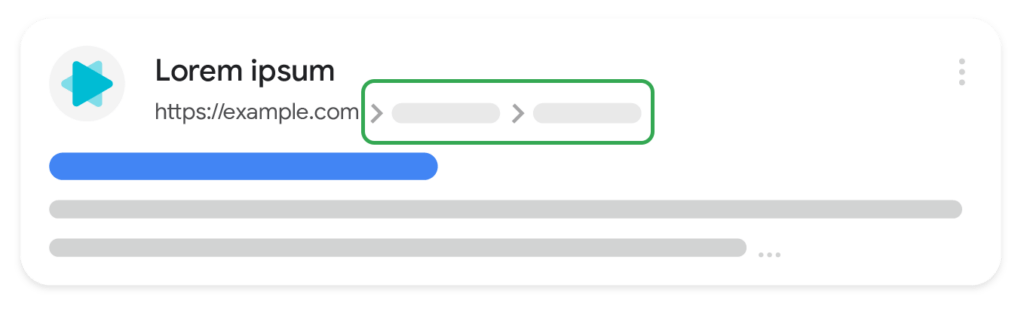
A clickable breadcrumb (Cart > Sign-in > Delivery > Payment) reassures shoppers about how many steps remain. Shorten this journey as much as possible.
Combined, these adjustments (guest checkout, fewer fields, fee transparency) reduce abandonment by 25 to 35%, and remain the best return on investment available for an e-commerce site today.
Agathe Blaise
Sources: Baymard Institute – Cart Abandonment Statistics, 2026 checkout conversion data compiled by Digital Applied and Growth Engines.